AI is transforming the sports world, with AI video analysis for sports turning hours of manual review into insights delivered within minutes. Machine learning can break down every movement, strategy, and play with remarkable accuracy—revealing patterns the human eye might miss and identifying opponents’ weaknesses. This gives coaches and athletes smarter decision-making power and a true competitive advantage. For professional organizations, college programs, and serious individual athletes, adopting AI video analysis is no longer optional—it’s becoming essential for reaching peak performance.
How AI-Powered Sports Video Analysis Technology Works
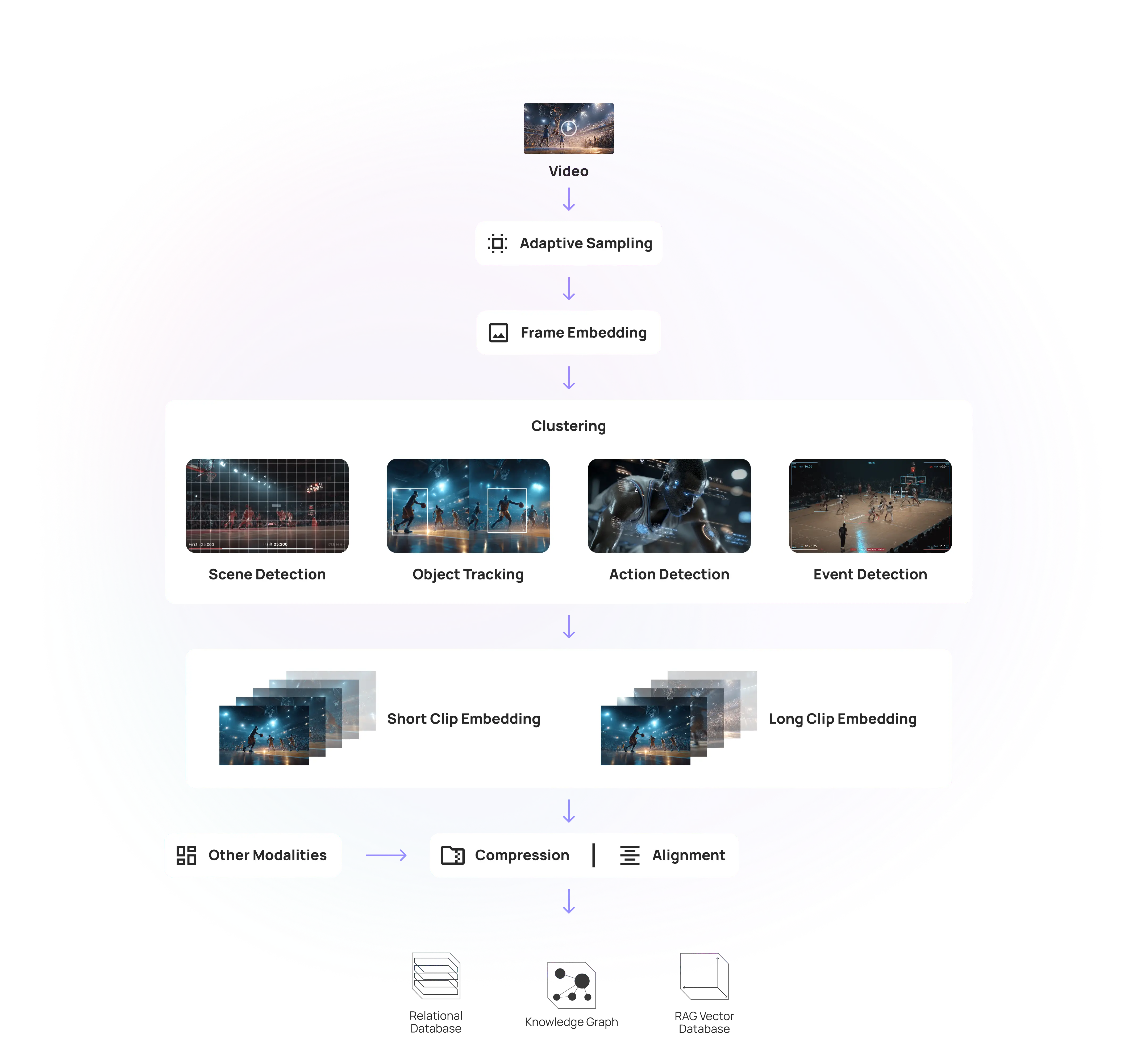
Understanding how artificial intelligence analyzes sports video doesn't require a technical degree. At its core, ai-powered systems combine several breakthrough technologies that work together seamlessly. These systems take raw video footage and transform it into detailed performance metrics.
Let's break down exactly how these ai-driven systems turn game film into competitive advantages.
Computer Vision and Deep Learning Fundamentals
Computer vision technology enables machines to "see" and understand video footage just like human analysts do. These systems process information faster and more consistently than any human could manage alone.
Deep learning algorithms form the brain of these systems. They learn to recognize players, equipment, and movements by analyzing thousands of example videos. Over time, the ai-powered technology becomes increasingly accurate at identifying patterns and situations.
The deepest layers understand context and game situations. This layered approach makes ai-powered video analysis incredibly versatile. The same core technology works for basketball, soccer, football, or any sport with recorded footage.
Automated Player Tracking and Data Capture
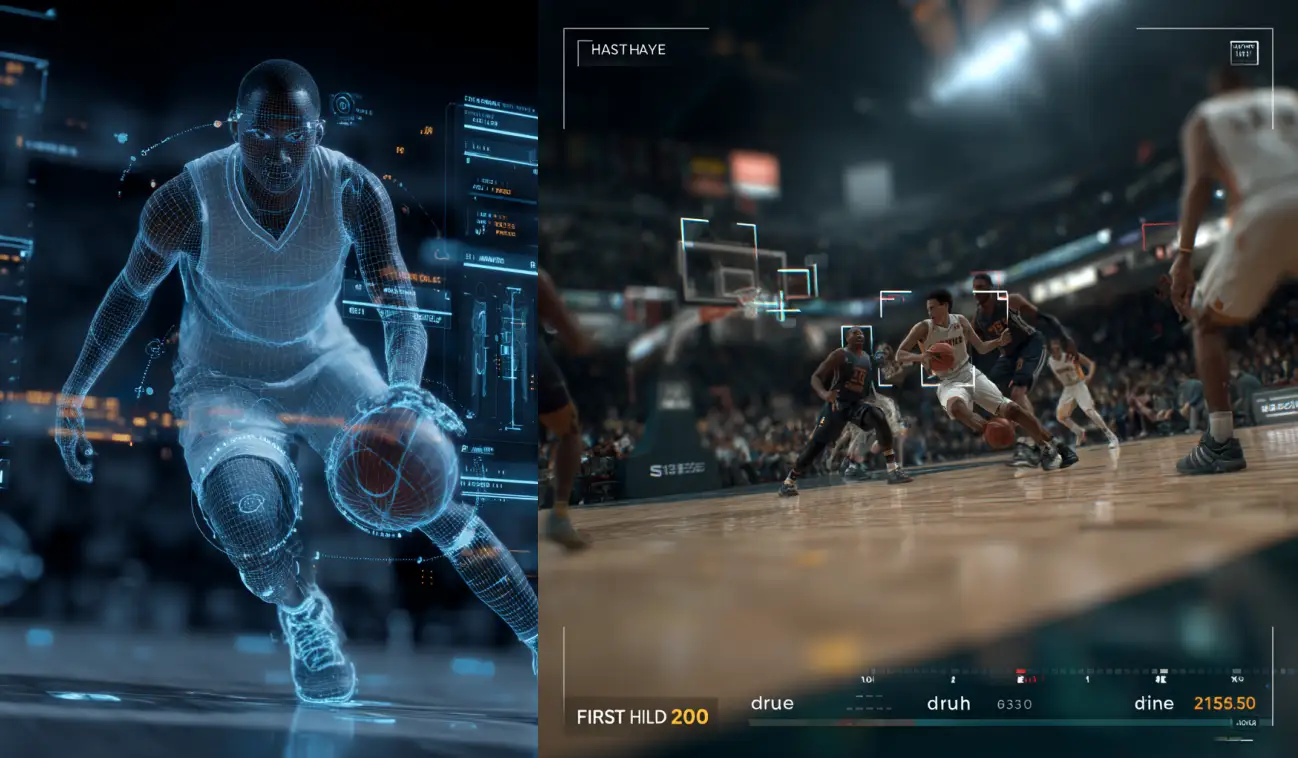
Modern ai-driven systems excel at following multiple athletes simultaneously without requiring manual input from analysts. This automated player tracking capability has revolutionized how teams collect video data during practices and competitions.
Many systems need just a single camera setup to work effectively. The technology doesn't require expensive multi-camera arrays or specialized equipment. A standard video capture device positioned properly can feed enough information for comprehensive analytics.
The system assigns a unique identifier to each player it detects. It then maintains that tracking throughout the entire video footage, even when players cross paths. This creates continuous data streams for every athlete on the field or court.
Real-Time Video Analytics
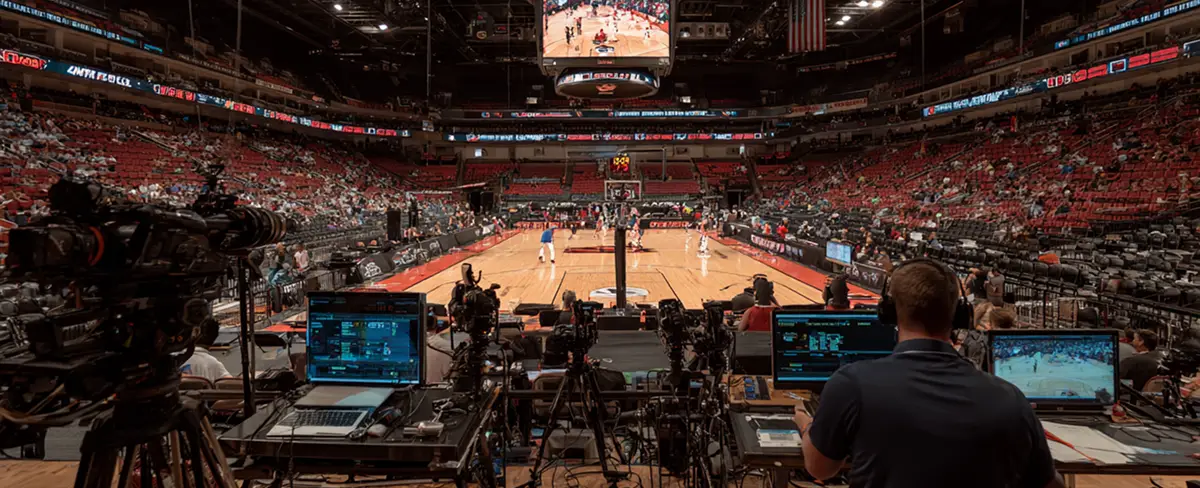
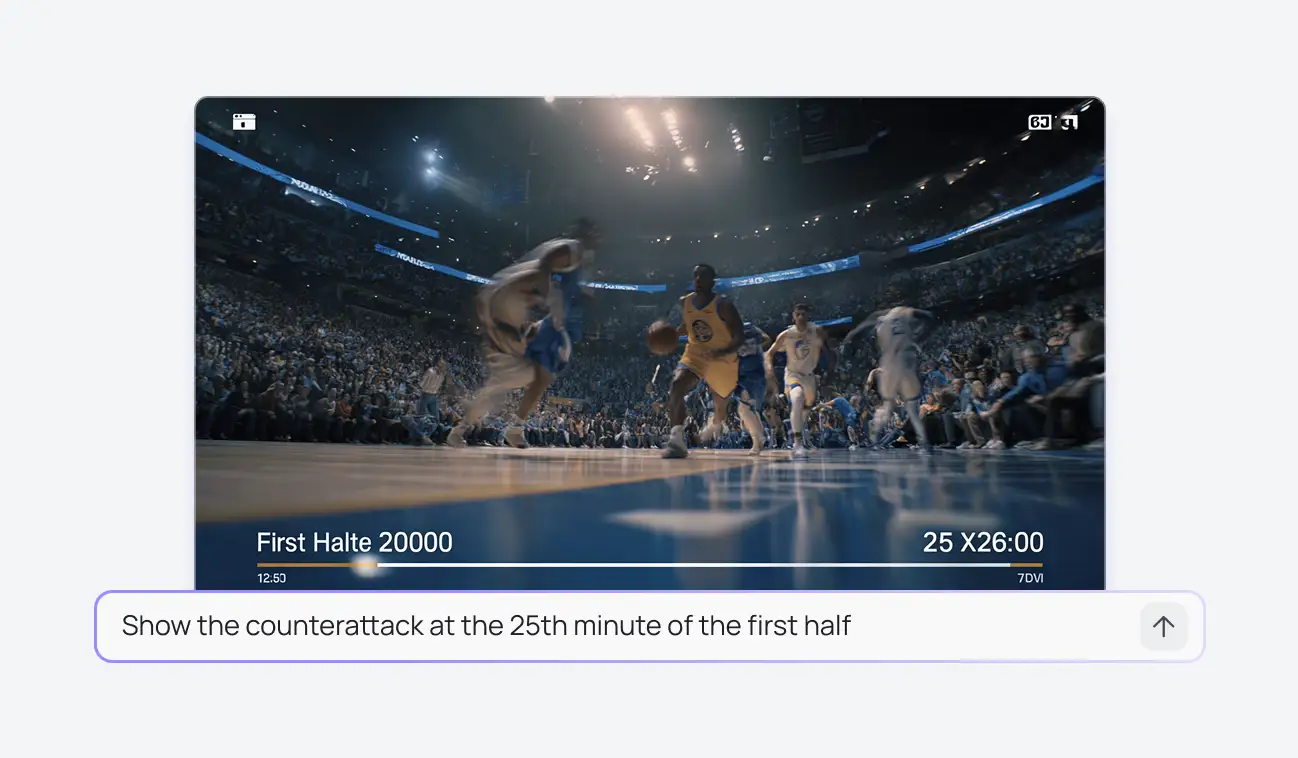
Real-time processing represents one of the most valuable advances in sports video analysis technology. Instead of waiting hours or days for post-game reports, coaches now receive instant feedback. They can use this information during timeouts or between periods.
The ai-powered system processes video footage as games unfold. It identifies key moments, measures player positions, and calculates performance metrics on the fly. This immediate availability of video analytics transforms in-game decision-making.
Consider these real-time applications:
- Substitution Decisions: Coaches see which players are fatiguing based on movement patterns and speed metrics
- Tactical Adjustments: Analytics reveal opponent tendencies as they emerge during the game
- Performance Monitoring: Athletes receive immediate feedback on technique execution during training sessions
- Injury Prevention: Systems flag unusual movement patterns that might indicate developing injuries
The technology achieves this speed through optimized ai workflows that prioritize the most relevant calculations. Rather than analyzing every possible metric, the system focuses on key performance indicators. This targeted approach keeps processing times minimal while delivering maximum value.
Many platforms offer api integrations that connect real-time video analytics with other coaching tools. This creates seamless workflows where video data flows automatically into game planning software. The data also feeds athlete management systems and performance dashboards.
Biomechanical Analysis and Movement Patterns
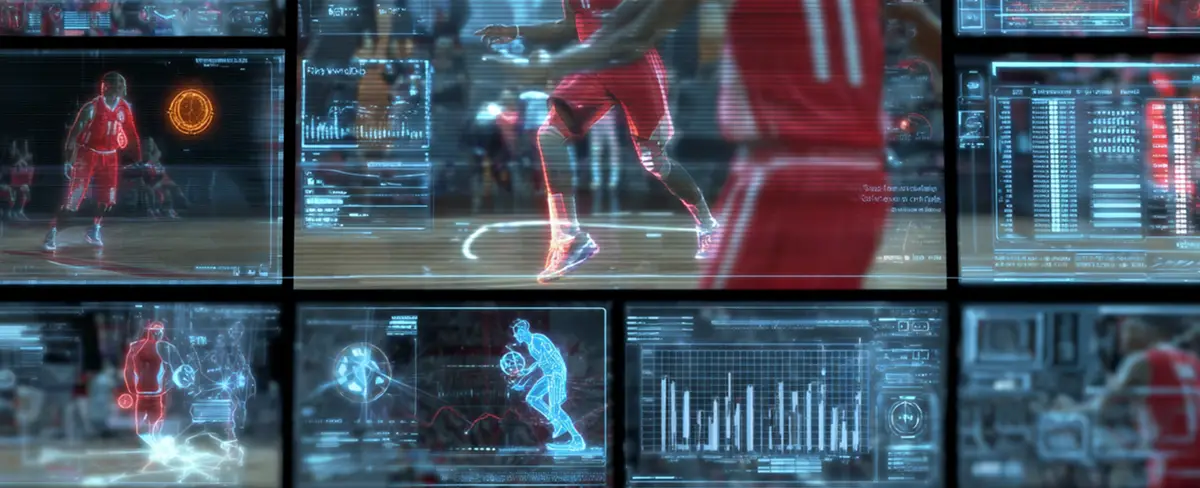
Ai-driven biomechanical analysis examines how athletes move with frame-by-frame precision. The technology measures joint angles, tracks limb positions, and identifies mechanical patterns. These patterns affect performance and injury risk.
The system analyzes video footage at the individual frame level. At each frame, it calculates the position of key body points like shoulders, elbows, and knees. These measurements create a detailed map of athletic movement.
Advanced ai-driven systems detect subtle variations in technique that separate elite performers from developing athletes. They identify compensatory movements that might indicate weakness or imbalance. They spot mechanical inefficiencies that waste energy or limit power generation.
The biomechanical analysis process captures video and data simultaneously:
- Pose Estimation: Computer vision identifies body landmarks in each frame
- Angle Calculation: The system measures joint angles throughout movement sequences
- Velocity Tracking: Algorithms calculate how quickly different body parts move
- Pattern Recognition: Machine learning compares movements against optimal technique models
- Deviation Detection: The system flags movements that fall outside expected ranges
What once required expensive motion capture labs now works with automated systems using standard video equipment. This democratization means athletes at every level can access biomechanical insights. These insights were previously available only to elite professionals.
Why AI Video Analysis for Sports Delivers a Competitive Edge
Smart coaches know that data-driven insights unlock performance improvements. Traditional methods often miss these opportunities. AI-powered video analysis has become essential for teams and athletes.
This technology provides measurable advantages that impact training and strategy. It also affects overall results. Teams can now stay ahead of their competition.
The ability to capture every movement gives sports professionals a complete picture. Teams make informed decisions based on actual data. This approach transforms how athletes train and compete.
Performance Insights That Optimize Training
Video analysis provides actionable insights that refine training.
It tracks key metrics, gives athletes detailed feedback on technique and positioning, and reveals inefficient movement patterns.
Coaches can target corrections for measurable improvements. Progress can be tracked over time, enabling systematic performance optimization.
The result: athletes see tangible progress, and coaches can tailor training programs.
Additionally, early detection of risky movements helps prevent injuries, keeping athletes healthy throughout the season.
Applications Across Every Sport and Level
Modern video analysis extends across various sports and competitive levels. These analysis tools adapt to different needs and contexts. The technology scales effectively for single athletes or entire rosters.
Team Sports: Basketball, Rugby, and Soccer
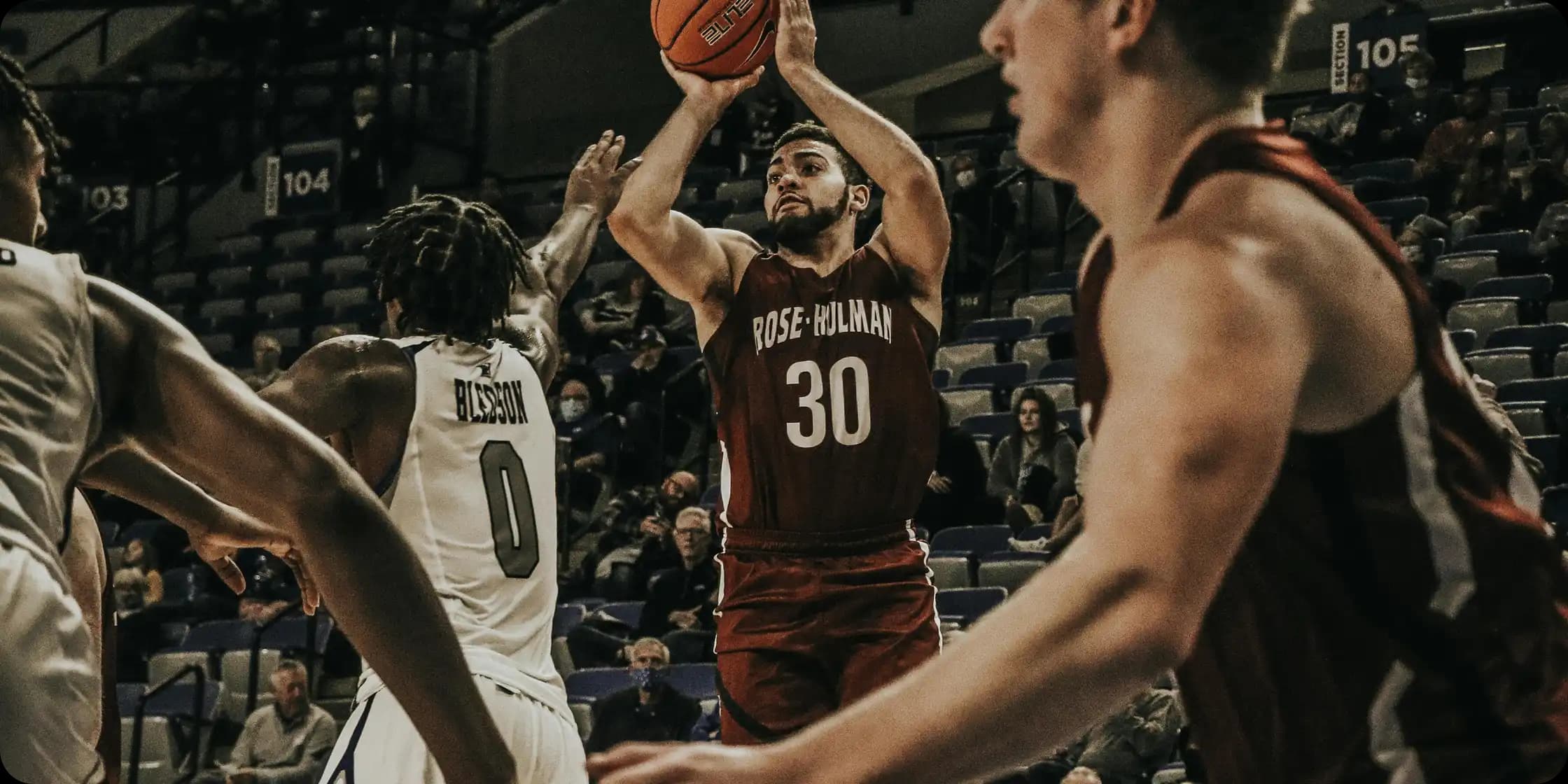
Basketball teams use video analysis software to break down schemes. Coaches can tag key moments during games. Post-match analysis reveals patterns in opponent behavior.
Rugby programs benefit from detailed breakdowns of scrums and lineouts. Movement analysis is particularly valuable for technique refinement. Coaches use these insights to reduce injury risk.
Soccer applications range from tracking player positioning to analyzing passing patterns. Instant analysis during halftime allows coaches to make informed adjustments. Both indoor and outdoor versions benefit equally.
| Sport | Primary Analysis Focus | Key Benefits | Typical Use Cases |
|---|
| Basketball | Offensive spacing, defensive rotations, shot selection | Improved play execution, better shot quality, defensive coordination | Play design, opponent scouting, individual skill development |
| Rugby | Contact technique, support positioning, phase play | Injury reduction, tactical awareness, set-piece efficiency | Scrum analysis, defensive structure, breakdown technique |
| Soccer | Passing networks, pressing triggers, space utilization | Enhanced team cohesion, tactical flexibility, stamina management | Formation analysis, transition speed, set-piece execution |
| Individual Sports | Technique precision, movement efficiency, competitive patterns | Personalized feedback, faster skill acquisition, mental preparation | Form correction, performance benchmarking, competition preparation |
Individual Athletic Performance Enhancement
Individual athletes across different sports gain tremendous value from these systems. Tennis players record and analyze their serve mechanics and footwork patterns. Track and field athletes use performance analysis to refine their technique.
Gymnasts, swimmers, and divers benefit from frame-by-frame breakdowns of complex movements. These athletes can compare their technique against ideal models. Progress tracking becomes precise and objective.
Combat sports athletes use video analysis to study their own patterns. Boxers, wrestlers, and martial artists identify telegraphed movements. This awareness allows them to eliminate weaknesses.
Golfers analyze their swing mechanics with unprecedented detail through sports video technology. Small adjustments in grip and stance become visible. The same principles apply across a variety of sports.
What exactly is biomechanical analysis and how does AI improve it?
Biomechanical analysis studies how athletes move (joint angles, efficiency, force).
AI tracks movements frame-by-frame, calculates angles, velocities, and trajectories, compares them to optimal models, and identifies technique flaws to improve performance and reduce injury risk.Do I need to be a tech expert or AI specialist to use sports video analysis software?
No. Modern platforms are user-friendly. Upload video, get insights—no coding required. Tutorials and support make it easy for coaches and athletes.How does AI video analysis help identify strengths and areas for improvement?
AI provides objective, fatigue-free analysis, comparing movements to benchmarks.
It generates reports with efficiency scores and weak points, guiding targeted training.Can small programs and youth teams afford AI-powered sports video analysis tools?
Yes. There are free or low-cost options and subscription models. Most only require standard cameras, so entry costs are low.How does player tracking technology work in team sports like basketball, rugby, or soccer?
AI uses visual cues (jersey color/number/movement) to track players’ positions, speed, distance, and spacing. It generates heatmaps and tactical metrics automatically.What's the difference between post-match analysis and real-time analytics?
Post-match: Detailed review after the game, frame-by-frame. Real-time: Instant insights during play for in-game adjustments. Best platforms offer both.How do AI workflows integrate with existing coaching and training processes?
Simple workflow: capture/upload video → AI analyzes → review insights.
Integrates with existing software and doesn’t disrupt current training methods.