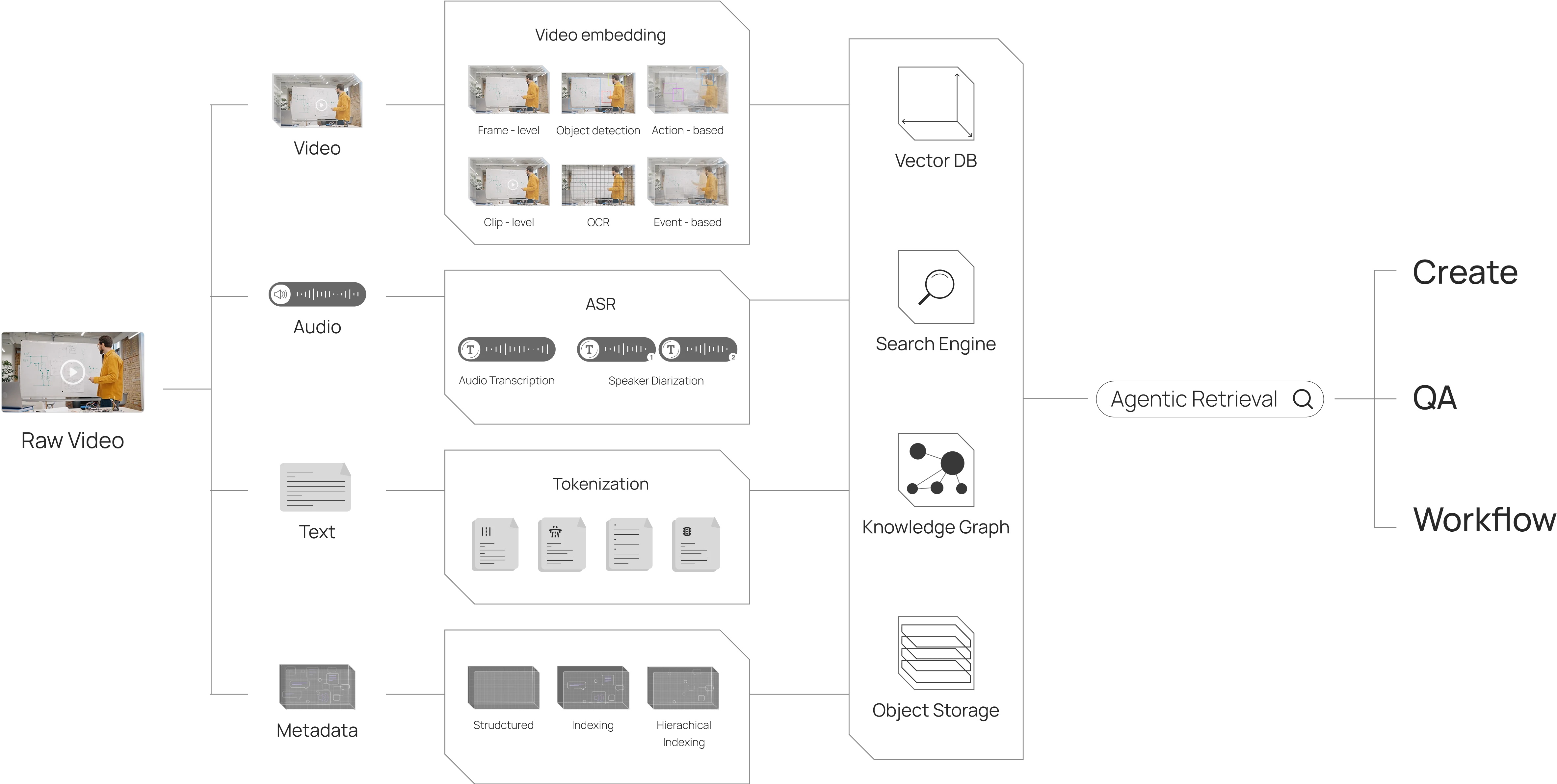
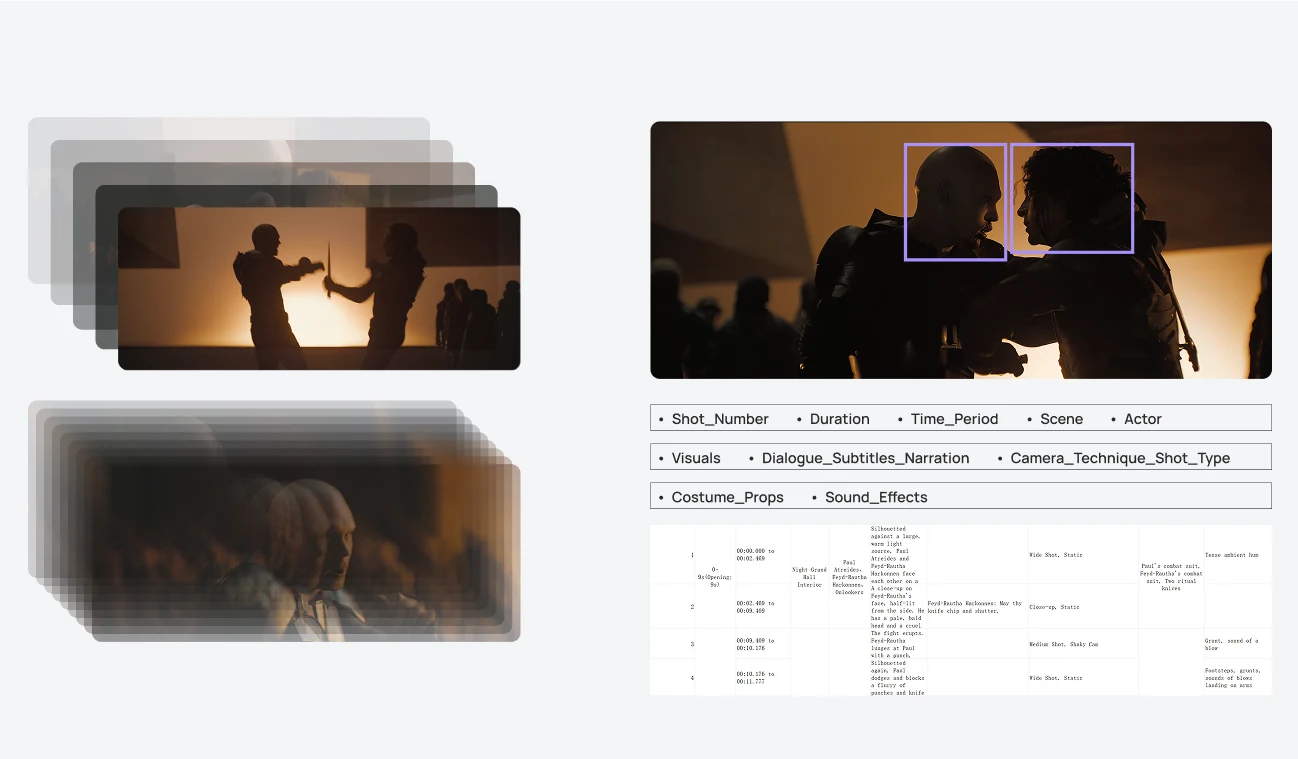
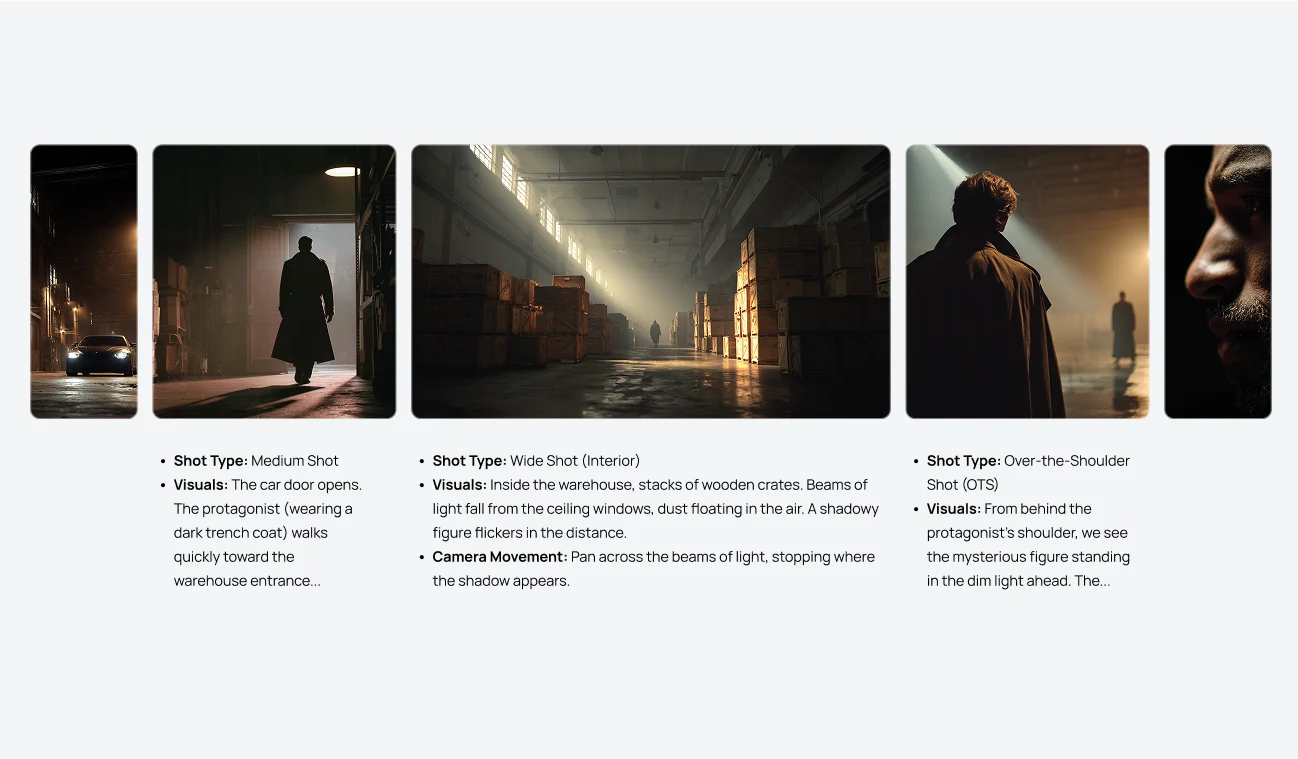
Understanding audience interaction is essential for success in today’s digital world. Video analysis for media turns raw data into actionable insights, revealing what truly engages viewers beyond simple view counts. AI-powered platforms track engagement at every second, helping media teams optimize campaigns for marketing, education, or news. Insights uncover viewer behavior, content effectiveness, and ROI with precision. Leading tools like Google Analytics 4, Wistia, and Vidyard provide unique capabilities to measure the metrics that matter most. Mastering these platforms allows teams to turn video performance data into strategic decisions and real results.
Why AI Video Analysis for Media Professionals Matters
Every video you publish generates valuable data. Understanding that information gives you a powerful edge in creating content that connects with your audience. Video marketing analytics transform guesswork into certainty.
Analytics help you understand which elements of your content drive engagement and which fall flat. This shift marks the difference between professionals who consistently succeed and those who struggle. Evidence-based strategy replaces intuition-based decisions.
Tracking video performance across platforms gives you visibility into viewer behavior that would otherwise remain invisible. You discover the precise moments when audiences lose interest. You see the segments they rewatch and the calls-to-action that generate conversions.
These video performance metrics reveal patterns that help you make informed decisions. They guide everything from video length to pacing. Each production improves on the last.
Refining your video strategy based on concrete data creates a competitive advantage that compounds over time. Teams that embrace video content analysis consistently outperform competitors. Data-driven decisions make the difference.
- Identify high-performing content formats and replicate success across campaigns
- Eliminate wasted budget on approaches that don't resonate with target audiences
- Optimize production workflows by focusing resources on elements that matter most
- Deliver measurable ROI that justifies continued investment in video initiatives
- Respond quickly to shifting audience preferences with data to measure impact
Real-world applications of video helps demonstrate the practical value of robust analytics. Media professionals use content analysis to test thumbnail variations. Certain visual styles increase click-through rates by 40% or more.
They analyze drop-off patterns to determine ideal video lengths for different platforms and audience segments. Examining engagement curves teaches creators which storytelling techniques maintain viewer attention. Pacing adjustments keep audiences watching until the end.
This continuous cycle of testing, measuring, and refining transforms video production. Creativity meets measurable outcomes. Art becomes science.
Modern analytics provide insights that extend beyond individual video performance. They illuminate the complete viewer journey across multiple touchpoints. You can track how audiences discover your content.
You see which videos drive them deeper into your catalog. You learn what combination of content pieces leads to conversions. This holistic view enables data-driven decisions about content sequencing and cross-promotion strategies.
The strategic advantage becomes especially clear during budget justification or stakeholder presentations. You present concrete metrics instead of subjective assessments. You prove that specific content types generate qualified leads or reduce customer service inquiries.
Media professionals who master these analytical capabilities gain insights to guide both creative and strategic decisions. They understand which topics resonate with different demographic segments. They know optimal posting times for maximum reach.
This knowledge allows teams to allocate resources strategically. Production efforts focus on high-impact content. Time spent on underperforming formats decreases.
The transformation happens through extracting meaningful intelligence that shapes your entire content approach. Analytics reveal not just what happened, but why it happened. They show what you should do next.
This progression from data collection to strategic application represents the true value of video marketing analytics. Modern media professionals make informed decisions. Results improve consistently.
Organizations that embrace comprehensive video content analysis build institutional knowledge. This knowledge survives team changes and market shifts. Documented insights about audience preferences become valuable assets that inform future productions.
This systematic approach to learning from data creates sustainable competitive advantages. Your analytics sophistication grows over time. The advantages compound.
Essential Video Metrics Every Media Professional Should Track
Video metrics provide the roadmap to content success. Many media professionals struggle to identify which data points drive meaningful improvement. Not all numbers in your analytics dashboard deserve equal attention.
Vanity metrics like total views might look impressive in reports. They can mislead you if they don't correlate with actual engagement or business outcomes.
Understanding the right performance data starts with categorizing metrics by what they reveal. These categories help you see the complete picture of how your videos perform.
Reach Metrics: Video views, impressions, and unique viewers tell you how many people your content reaches. Each platform defines a "view" differently—some count three seconds of watch time, others require thirty seconds. Always consider this metric alongside deeper engagement indicators rather than in isolation.
Engagement Metrics: Watch time stands out as perhaps the most important indicator of video quality. This metric reveals not just how many people started watching, but how long they stayed engaged. Average view duration complements this by showing typical viewing behavior across your audience.
The completion rate serves as a critical metric that reveals whether your video delivers on its promise. It shows if content maintains viewer interest throughout. A strong completion rate varies by video length and type.
Short videos under two minutes should aim for 60-80% completion. Longer educational content might see healthy completion rates around 40-50%.
Interaction Metrics: Click-through rate measures how effectively your video content drives viewers to take intended next actions. This might include visiting a website, downloading a resource, or making a purchase. This metric connects content consumption to business goals.
Social shares, comments, and likes provide additional signals about how your content resonates with audiences.
Conversion Metrics: Lead captures, sign-ups, and purchases attributed to video represent the ultimate measure for conversion-focused content. These metrics directly tie video performance to revenue and business growth.
Key performance indicators should align with your specific video goals. Different objectives require different measurement priorities:
- Brand awareness campaigns: Focus on reach metrics and social share rates to maximize exposure
- Educational content: Prioritize watch time and completion rates to ensure knowledge transfer
- Conversion-focused videos: Track click-through and conversion rates as primary success indicators
- Community building: Monitor comments, likes, and repeat viewer rates to gauge engagement depth
Sentiment analysis represents an often-overlooked metric that adds valuable context to quantitative video data. Comments, surveys, and social listening provide qualitative insights about how viewers truly feel about your content. A video might have high view counts but negative sentiment, signaling a disconnect between expectations and delivery.
Tracking performance over time reveals whether your content strategy actually improves. A single video's metrics mean little without context. Compare current videos against your historical benchmarks to identify trends and patterns that inform future decisions.
Benchmark your video performance against industry standards for your content type and distribution channels. These external comparisons help you understand whether your results reflect strong performance or indicate room for improvement. Keep in mind that benchmarks vary significantly across industries, content types, and platforms.
Detailed video analytics available in modern platforms connect directly to practical production decisions. If viewers consistently drop off at the same point across multiple videos, that's a clear signal to re-edit. Higher completion rates on certain video topics identify content directions worth pursuing.
Video metrics like click-through rates that vary significantly by thumbnail reveal actionable intelligence for optimizing presentation. Test different visual approaches and let the data guide your creative decisions. This iterative process transforms raw numbers into content improvements.
Analytics across different audience segments can reveal whether your content resonates differently with various demographic groups. A key video performing well on desktop but poorly on mobile suggests technical optimization opportunities. Content that engages younger viewers differently than older ones might inform targeting and messaging strategies.
| Metric Category | Key Indicators | Primary Use Case | Success Benchmark |
|---|
| Reach | Views, impressions, unique viewers | Brand awareness, audience growth | Varies by platform and promotion |
| Engagement | Watch time, completion rate, avg. duration | Content quality assessment | 50%+ completion for |
| Interaction | Click-through rate, shares, comments | Audience response measurement | 2-5% CTR for call-to-action |
| Conversion | Leads, sign-ups, purchases | Business impact tracking | Aligned with campaign goals |
The ultimate goal of tracking these metrics isn't simply collecting data for reports. Use this information to continuously improve content performance and allocate resources more effectively. Every metric should answer a question or inform a decision.
Media professionals who master metric interpretation gain a significant competitive advantage. They create content backed by evidence rather than intuition alone. They optimize budgets by doubling down on what works and cutting what doesn't.
Most importantly, they build a feedback loop where each video informs the next. This creates steady improvement over time.
Transforming Video Data Into Performance Success
Collecting metrics is just the beginning. The real value emerges when you transform raw data into actionable insights. Media professionals who master this skill create content that truly connects with audiences.
Start by establishing performance baselines for your current content. Look at patterns in the data available across platforms like youtube and social channels.
Analyze video performance by asking specific questions. Why do viewers drop off at certain points? Which thumbnail designs generate more clicks? What video format works best for mobile versus desktop?
Use these insights to make informed decisions and improve your video marketing strategy. If mobile viewers leave faster, optimize for shorter attention spans. Create more content in styles that resonate strongly with your audience.
Test different approaches with video campaigns and measure what actually works. The tools covered in this video analytics guide give you everything needed to interpret performance. Google Analytics 4 tracks viewer behavior across your website.
Wistia shows exactly how people engage with each video. Vidyard connects video consumption data to business outcomes.
Focus on creating effective video content informed by real performance data. Pay attention to which social media video formats drive engagement. Refine video production based on what your audience actually watches.
FAQ
What makes video analysis essential for media professionals today?
Video analysis turns guesswork into data-driven strategy. It helps media pros understand audience engagement, identify drop-offs, optimize content, and demonstrate ROI. With video consumption growing across platforms, analytics keep you competitive.
Which video metrics should I prioritize when analyzing video content?
When analyzing video content, prioritize metrics based on your goals. Watch time and completion rate reveal overall engagement and attention span, while click-through rate and conversions are crucial for marketing or conversion-focused videos. Average view duration and performance across audience segments help assess content quality and resonance. Raw view counts alone are insufficient—true insight comes from measuring engagement depth.